
Smarter Routes, Smaller Footprints: The Future of Efficient Logistics
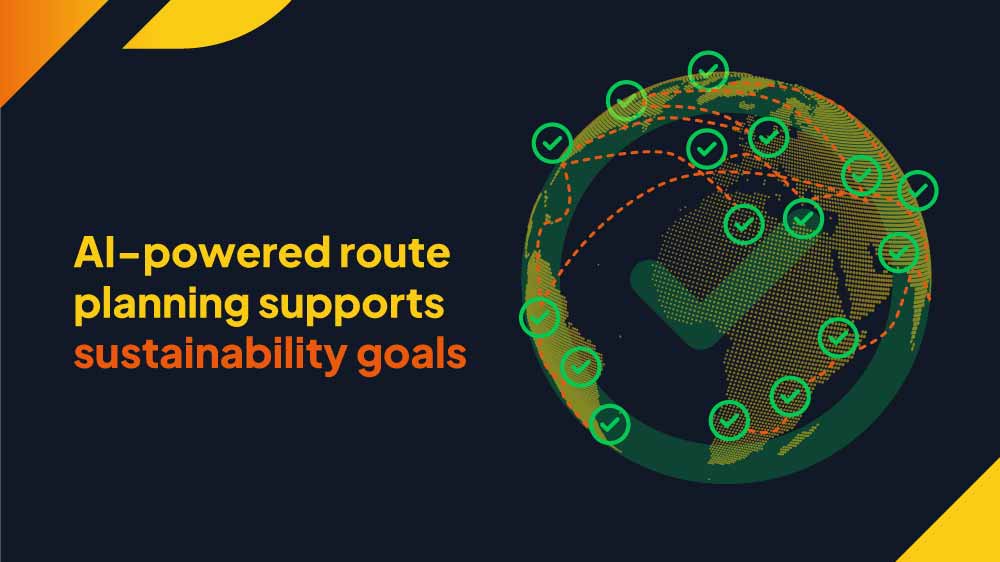
Sustainability is not just a buzzword; it’s a core business imperative. The good news? Making your delivery operations greener also makes them more efficient and cost-effective. By adopting smart delivery management tools like AI-powered route optimisation and paperless electronic proof of delivery (ePOD), fleet operators can drastically reduce their carbon footprint, cut down on wasted fuel, and run a more sustainable business without sacrificing customer satisfaction.
Greener outcomes
Businesses are under increasing pressure to reduce their environmental impact while simultaneously maintaining peak efficiency and customer satisfaction. Sustainability is no longer a “nice-to-have”, it is an absolute business imperative.
Fortunately, the push for greener operations doesn't have to come at the expense of your bottom line. The good news is that smarter delivery operations can actually help you achieve both goals at once: maximum operational efficiency and significantly greener outcomes.
Linking efficiency & sustainability
Inefficient routes, unnecessary mileage, and excessive fuel consumption don’t just cost your business money; they contribute directly to global carbon emissions. Every extra mile a vehicle travels, every hour a driver spends idling in traffic, and every paper-based process your team relies on adds to your company’s overall environmental footprint.
By adopting smarter AI-based planning methods and utilising the right AI-driven digital tools, businesses can dramatically reduce their emissions while simultaneously improving service delivery.
Driving down emissions
Route optimisation is one of the most effective ways to achieve a sustainable fleet. By determining the most efficient paths for your vehicles to take, smart software ensures that drivers spend less time on the road, navigate fewer traffic bottlenecks, and drive significantly fewer miles.
Fewer miles driven naturally translates to reduced fuel consumption, which directly lowers greenhouse gas emissions. When your routes are optimised daily, those small daily savings compound into a massive reduction in your annual carbon footprint.
Going paperless with ePOD
Another major driver of sustainability in logistics is the massive reduction of paper waste. Traditional delivery operations rely heavily on printed manifests, delivery notes, and manual vehicle check sheets. Not only is this highly inefficient, but it’s incredibly wasteful.
By switching to electronic Proof of Delivery (ePOD) and digital vehicle checks, fleets can instantly become paper-free. Digital ticketing, signature capture, and photographic evidence all happen seamlessly on a mobile device, saving thousands of sheets of paper a year and cutting out the environmental impact of printing, storing, and eventually throwing away physical documents.
Fewer failed deliveries
When a delivery fails because a customer isn't home or a site isn't ready, the vehicle has to make a return trip. That means double the mileage and double the fuel for a single drop. Smart delivery systems fix this by providing automated customer ETA notifications and live tracking.
When customers know exactly when their delivery is arriving, first-time delivery success rates skyrocket. Fewer redeliveries mean a tighter, greener, and much more sustainable logistics cycle.
Greener fleets are better maintained
It’s a known fact that poorly maintained vehicles consume more fuel and emit higher levels of pollutants. Implementing digital, daily vehicle checks ensures that fleet managers are instantly alerted to defects, like under-inflated tires or engine issues, that can silently tank a vehicle's fuel economy. Addressing these issues immediately keeps your fleet running cleanly and safely.
Ultimately, sustainability in logistics isn't about making sacrifices, it’s about working smarter. By embracing technology, businesses can cut costs, improve service, and proudly do their part to protect the planet.

Frequently Asked Questions (FAQs)
Route optimisation software calculates the most efficient, logical paths for delivery vehicles, reducing the total miles driven and minimising time spent idling in traffic. This directly leads to lower fuel consumption and significantly fewer carbon emissions.
Electronic Proof of Delivery (ePOD) allows businesses to digitise their delivery tickets, manifests, and customer signatures. This eliminates the need for massive amounts of paper, saving trees, reducing physical waste, and lowering the carbon footprint associated with printing operations.
Yes, significantly. Every time a delivery fails, the vehicle must make a return trip to attempt the delivery again, doubling the fuel used and emissions generated for that single order. Better communication and tracking tools increase first-time success rates, eliminating this wasted mileage.
Absolutely. Vehicles that are not properly maintained (such as those with under-inflated tires or unchecked engine faults) burn fuel less efficiently and produce more toxic emissions. Digital vehicle checks ensure these defects are caught and fixed quickly, keeping the fleet running green.
No, in fact, it usually saves money! The steps taken to become more sustainable, such as driving fewer miles, using less paper, and improving first-time delivery rates, directly correlate with lower fuel bills, reduced administrative costs, and greater overall operational profitability.