
Smarter Deliveries, Greener Outcomes: The Sustainability Advantage
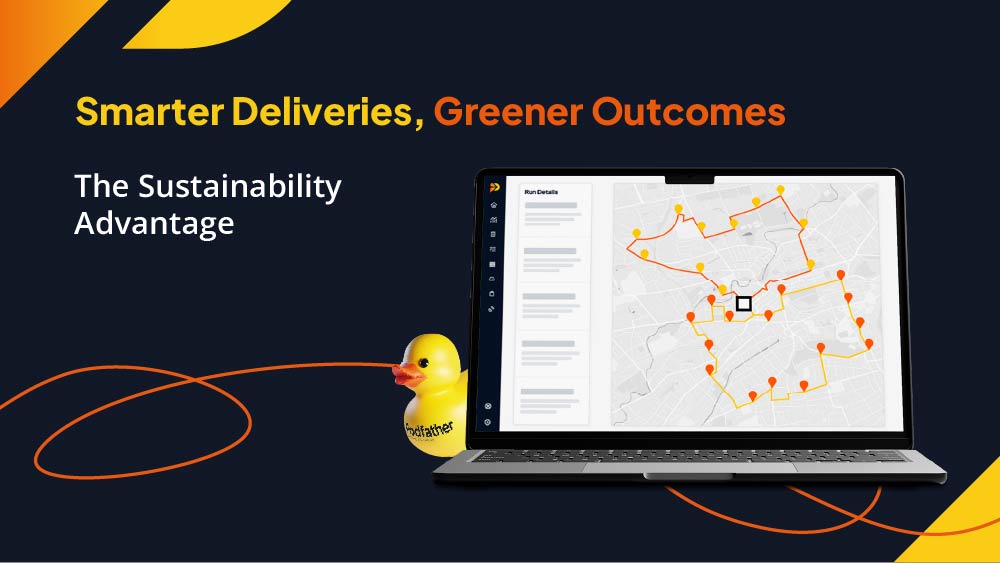
Businesses are under increasing pressure to reduce their environmental impact while maintaining efficiency and customer satisfaction. Sustainability is no longer a “nice-to-have”, it’s a business imperative. The good news is that smarter delivery operations can achieve both goals: operational efficiency and greener outcomes.
The Link Between Delivery Efficiency and Sustainability
Inefficient routes, unnecessary mileage, and excessive fuel consumption don’t just cost money; they contribute directly to carbon emissions. Every extra mile a vehicle travels, every hour spent idling, and every paper-based process add to a company’s environmental footprint. By adopting smarter planning methods and digital tools, businesses can significantly reduce their emissions while improving service delivery.
Route optimisation is one of the most effective ways to achieve this. By determining the most efficient paths for deliveries, businesses can cut mileage, reduce fuel use, and lower emissions. But efficiency isn’t just about fuel; it also reduces wear and tear on vehicles, decreases maintenance costs, and frees up time for drivers to complete more jobs.
Digital Proof of Delivery (ePOD) - Paperless, Accurate, Sustainable
Traditional paper-based delivery processes create unnecessary waste, from printed forms to filing systems. ePOD solutions eliminate paper completely, digitising signatures, proof of delivery, and reporting. Not only does this reduce environmental impact, but it also improves accuracy and transparency across the supply chain.
With ePOD, delivery teams can capture data in real-time, share it instantly with back-office systems, and update customers automatically. The result is fewer errors, less rework, and reduced fuel consumption caused by repeat trips, all contributing to a smaller carbon footprint.
Fleet Management and Vehicle Checks
A sustainable delivery strategy also relies on proper fleet management. Digital vehicle checks allow companies to monitor maintenance requirements and prevent breakdowns before they occur. Well-maintained vehicles run more efficiently, consume less fuel, and emit fewer pollutants. By embedding digital checks into your operations, companies can extend the life of their fleet while supporting sustainability targets.
Data-Driven Decisions for Continuous Improvement
Digital tools provide more than operational efficiency; they provide insight. By analysing delivery data, companies can identify patterns such as frequent delays, routes with higher fuel usage, or areas prone to inefficiency. This data allows for informed decisions that improve both operational performance and environmental outcomes. Over time, these incremental improvements lead to measurable reductions in emissions and operational costs.
The Broader Impact
Adopting greener delivery practices has benefits beyond compliance and cost reduction. Sustainability initiatives enhance a company’s reputation with customers, partners, and investors. Increasingly, clients are choosing partners who prioritise environmental responsibility. By demonstrating commitment to reducing emissions and waste, businesses can strengthen relationships and attract new opportunities.
Moreover, efficiency and sustainability reinforce each other. Fewer miles driven, less fuel consumed, and paperless processes reduce costs while lowering environmental impact. Companies that embrace both stand to gain a competitive advantage in a market that increasingly values sustainability.
Conclusion
Smarter delivery operations aren’t just good for business, they’re good for the planet. By combining route optimisation, ePOD solutions, digital vehicle checks, and data-driven decision-making, companies can reduce costs, enhance customer satisfaction, and significantly lower their carbon footprint.
Investing in smarter, greener operations is more than a strategy; it’s a commitment to sustainable growth and operational excellence. With the right technology and processes in place, businesses can make every delivery count for both their bottom line and the environment.