
From Carbon to Cost: The Twin Benefits of Smarter Route Planning
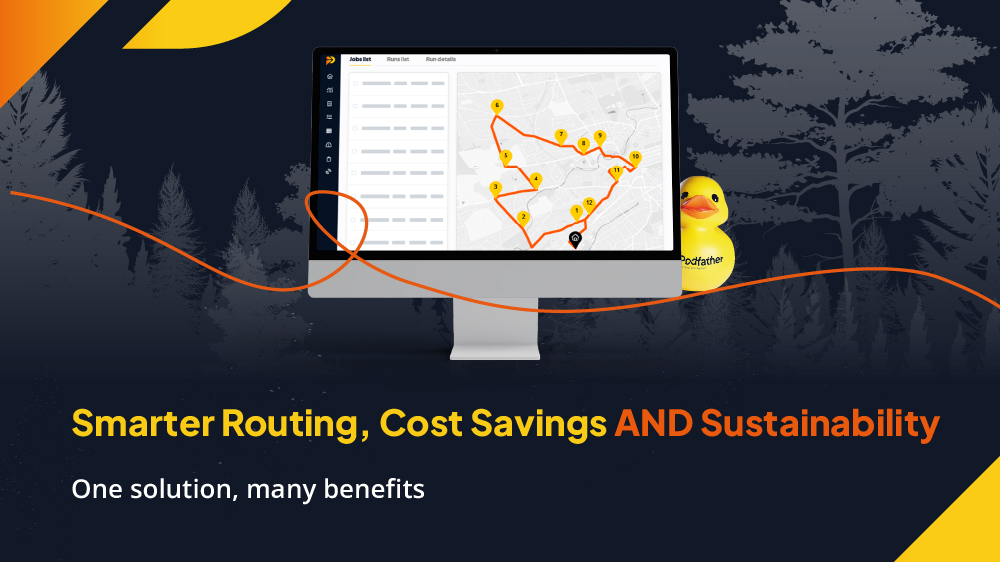
For businesses that rely on vehicle fleets, route planning is more than a logistical necessity; it’s a strategic opportunity. Smarter route planning doesn’t just reduce the distance your vehicles travel; it also lowers fuel costs, decreases carbon emissions, helps reduce empty running and boosts overall operational efficiency. In other words, it benefits both your bottom line and the environment.
What is Smarter Route Planning?
Smarter route planning uses advanced algorithms and data analysis to create the most efficient delivery routes for your fleet. Unlike manual planning, it considers factors like delivery priorities, vehicle capacity, customer time windows, and road conditions. The result is routes that minimise unnecessary mileage, reduce fuel consumption, and help your drivers complete their schedules more effectively. Investing in smarter route planning doesn’t require changing your fleet; it’s about optimising how you use it. By leveraging technology, businesses can make data-driven decisions that benefit both operations and sustainability.
Cutting Costs Through Efficiency
Fuel is often one of the highest operational costs for fleet-based businesses. Every extra mile costs money, not only in fuel but also in maintenance and driver hours. Smarter route planning reduces this waste by ensuring vehicles take efficient routes. Reducing mileage means vehicles wear out more slowly, lowering maintenance costs and extending fleet lifespan. It also allows drivers to complete more deliveries in less time, which can improve customer service and increase overall productivity. In short, optimised routes save money while freeing up resources to grow the business.
Reducing Carbon Footprint
Many businesses are under increasing pressure from customers, regulators, and stakeholders to reduce their carbon footprint. Smarter route planning directly contributes to sustainability goals by lowering fuel consumption and, as a result, CO2 emissions. Even small reductions per vehicle can add up across an entire fleet, leading to significant environmental impact over time. By combining route optimisation with other eco-friendly practices, companies can achieve measurable sustainability outcomes without compromising operational efficiency.
Enhancing Visibility and Control
Route planning tools also provide fleet managers with better visibility of operations. This insight allows for proactive decision-making, reducing delays and increasing reliability. In addition, giving drivers clear, optimised routes reduces the risk of errors, missed deliveries, or unnecessary detours. The result is a smoother operation, happier customers, and fewer emergency interventions from the back office.
The Twin Benefits in Practice
Smarter route planning creates a win-win situation. On one hand, businesses save money by cutting fuel and maintenance costs. On the other hand, they reduce their carbon footprint, helping meet environmental targets and demonstrating responsibility to customers and stakeholders.
For example, a distribution company that implemented route optimisation saw a measurable drop in fuel consumption and vehicle wear, while also improving on-time delivery rates. These improvements translated into both cost savings and enhanced customer satisfaction - proof that environmental and financial benefits can go hand in hand.
Getting Started
Implementing smarter route planning doesn’t have to be complex. Modern logistics software integrates seamlessly with existing systems, allowing businesses to optimise routes without disrupting operations. Key steps include:
- Collecting accurate fleet and delivery data
- Setting clear priorities for cost, efficiency, and sustainability
- Using software to generate and adjust routes dynamically
- Monitoring performance with reports and analytics to continuously improve
The insights gained from this data-driven approach not only make day-to-day operations more efficient but also create a foundation for long-term strategic planning.
Conclusion
Smarter route planning is more than a technical upgrade; it’s a strategic tool that benefits both your business and the planet. By reducing unnecessary mileage, cutting fuel costs, and lowering carbon emissions, companies can improve operational efficiency while demonstrating environmental responsibility. For businesses looking to stay competitive, the message is clear: optimising routes isn’t just good for the planet, it’s good for the bottom line too.